
Melanoma
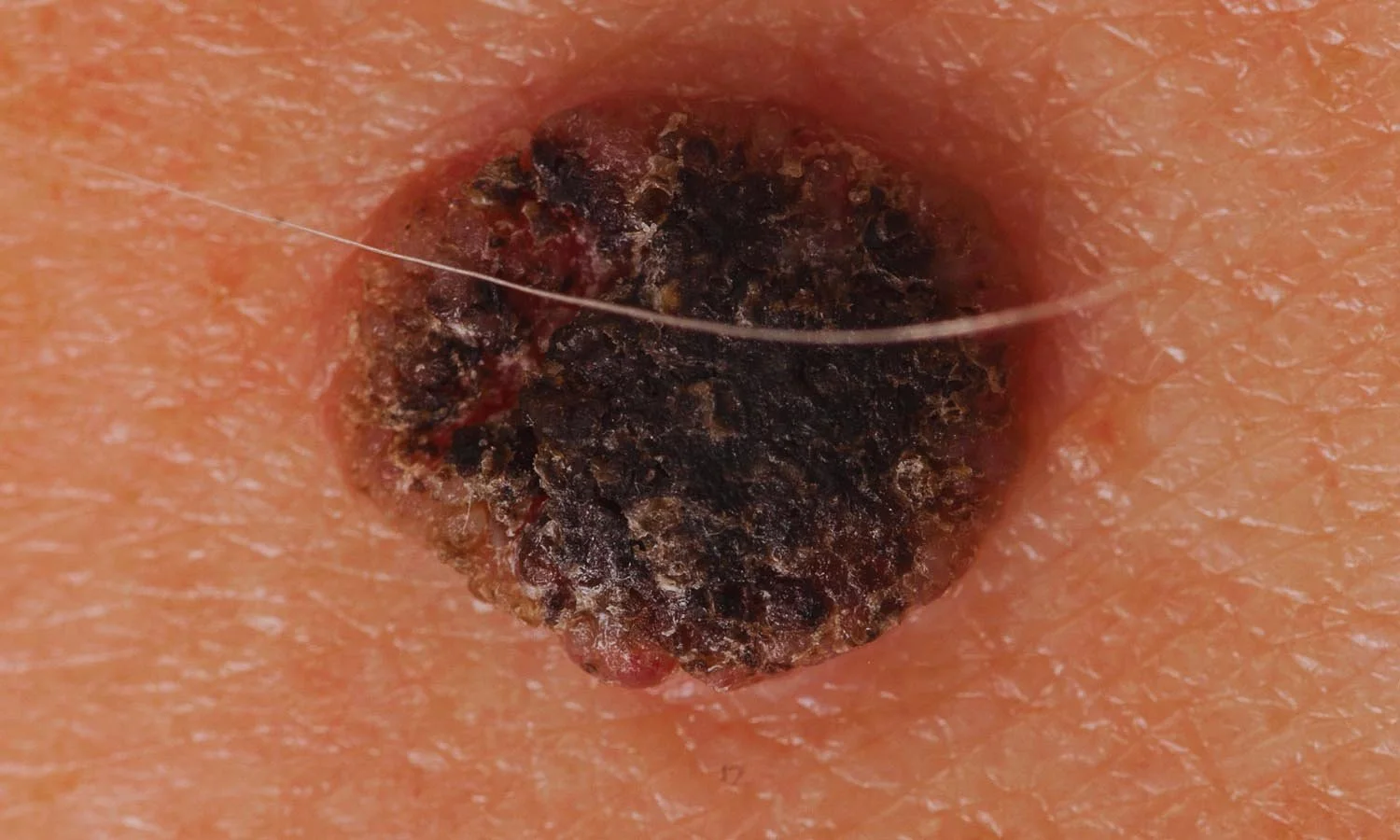
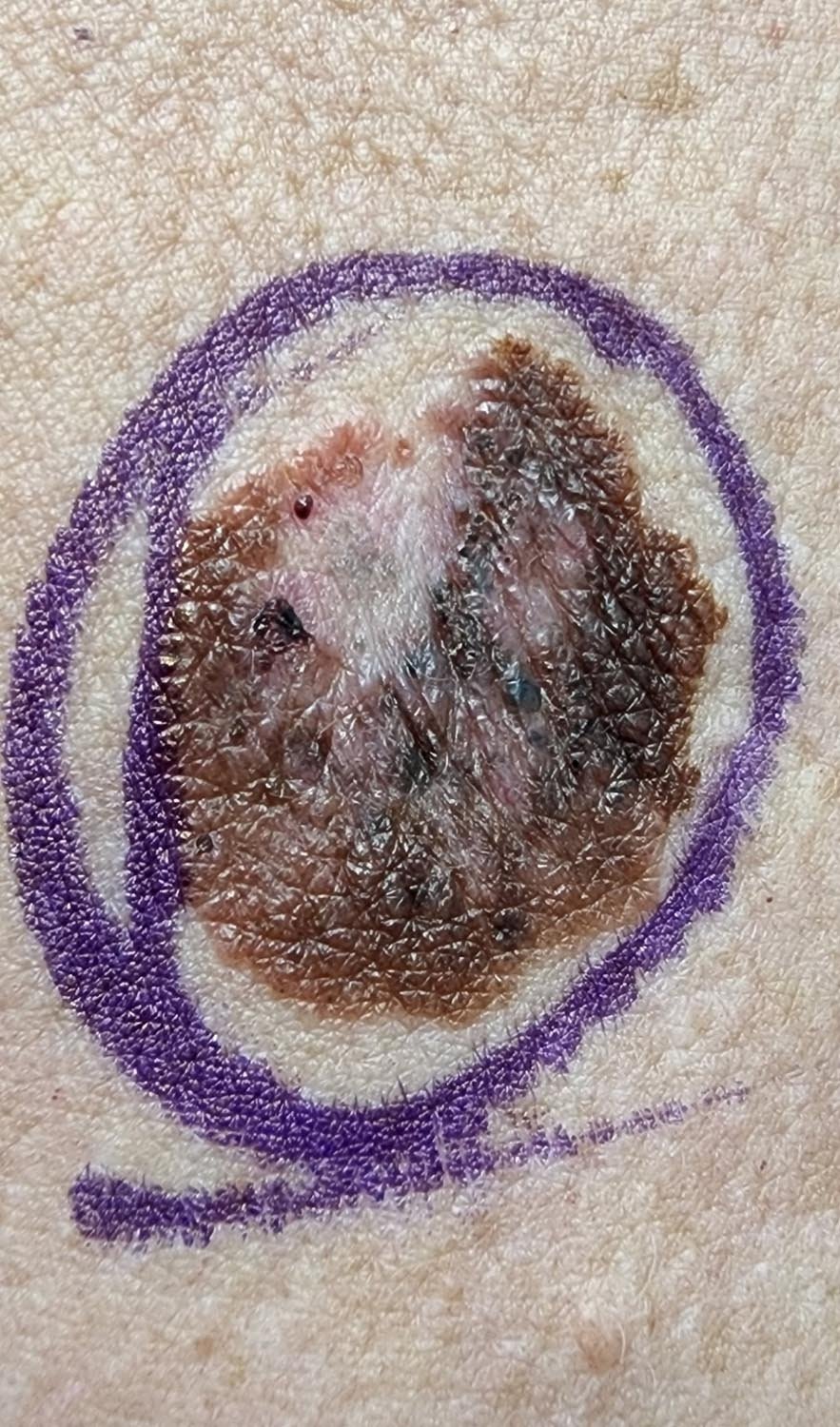
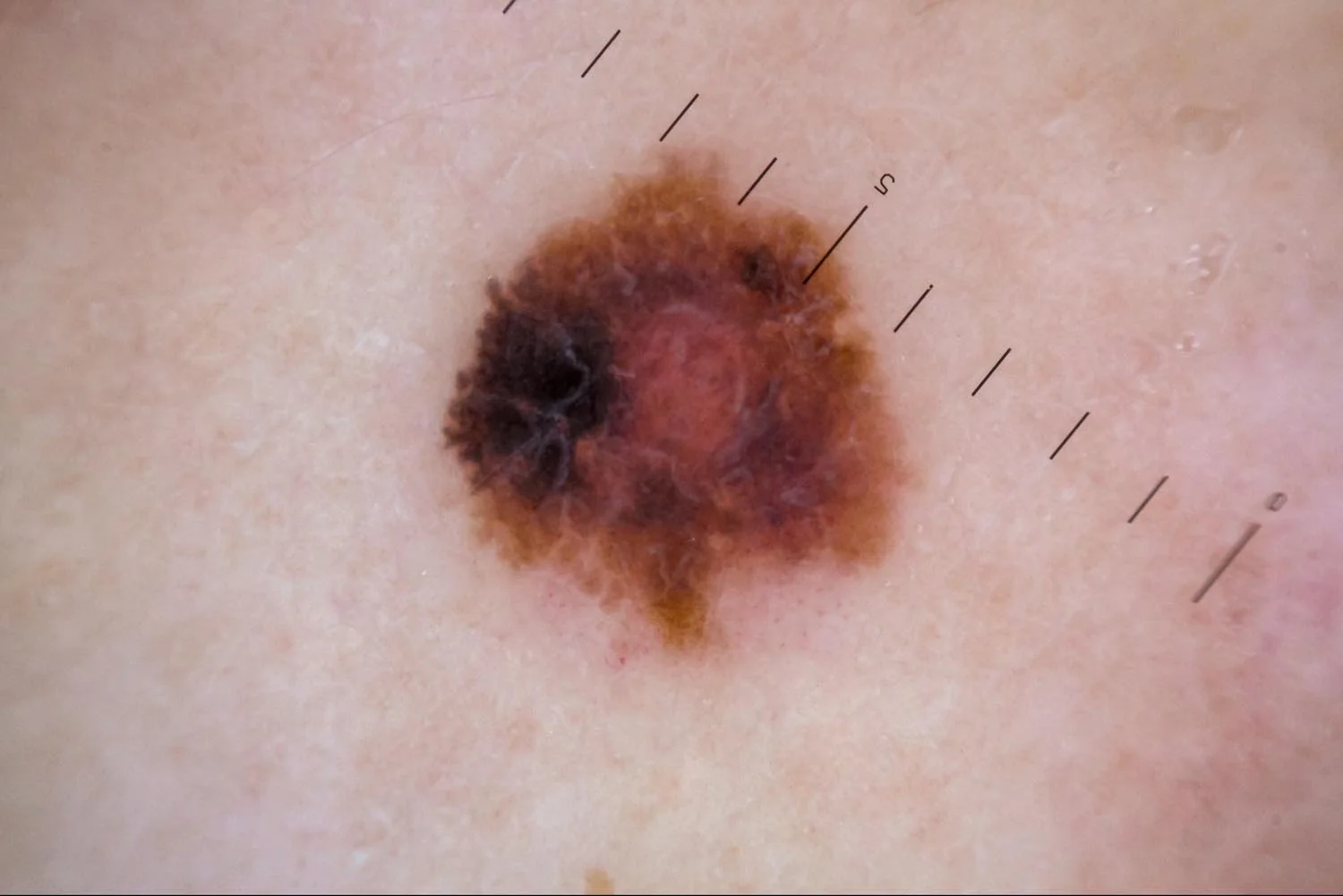
Melanoma is the most aggressive and deadliest form of skin cancer, responsible for the majority of skin cancer-related deaths. It can develop anywhere on the body, including areas with limited sun exposure. According to statistics, over 200,000 cases of melanoma are diagnosed annually in the US, with a 92% survival rate if detected early.
Consequences of Untreated Melanoma
If left untreated, Melanoma can lead to:
- Rapid progression: Melanoma can quickly spread to surrounding tissues and organs.
- Metastasis: Melanoma can spread to lymph nodes, organs, and distant parts of the body, such as the lungs, liver, brain, and bones.
- Life-threatening complications: Untreated Melanoma can lead to life-threatening complications, including:
- Respiratory failure
- Liver failure
- Bone fractures
- Neurological symptoms
- Poor prognosis: Untreated Melanoma has a poor prognosis, with a significantly reduced survival rate.
Treatment Options
Melanoma treatment depends on stage, location, thickness at the time of diagnosis, and patient health. Early detection is critical, as it increases survival rates tremendously. We pride ourselves on early Melanoma detection through regular skin checks and advanced dermoscopy techniques. This proactive approach can facilitate timely treatment and optimal care, increasing the 5-year survival rate to up to 99%. Our commitment to advanced skin screening sets us apart.
Common treatments include
1. Surgical Excision: Removing the tumor and a margin of surrounding healthy tissue.
2. Lymph Node Dissection: Removing affected lymph nodes to prevent further spread.
3. Immunotherapy: Stimulating the immune system to fight cancer cells.
4. Targeted Therapy: Using medications to target specific genetic mutations.
5. Radiation Therapy: Reserved for cases where surgery is less than ideal or for symptom management.
6. Chemotherapy: Used in advanced cases to slow disease progression.
What treatments does Gemini Dermatology offer?
Cryosurgery (Freezing with Liquid Nitrogen)
Used to treat pre-cancerous Actinic Keratoses to prevent them from transforming into SCCs.
Surgical Excision
Surgical removal with predetermined margins based on cancer type (“football” shaped/elliptical removal)
Electrodessication and Curettage (EDC)
Gentle scraping of loosely bound cancerous cells followed by cautery to remove early, superficial non-melanoma skin cancers.
Mohs Micrographic Surgery
Mohs Surgery: A highly specialized, tissue-sparing technique that removes cancerous skin one layer at a time, preserving surrounding healthy tissue with precision and accuracy
Topical Therapy
Topical skin cancer treatments either directly destroy cancerous cells or activate the immune system to fight them, offering a targeted and non-invasive solution.